
Free 3D human anatomy atlas
Cogni Anatomy is a free interactive 3D model of the human body that runs in your browser. Rotate it, peel away the muscle layers, cut through the heart and brain, and isolate any of its 2,853 parts, with no download and no account.
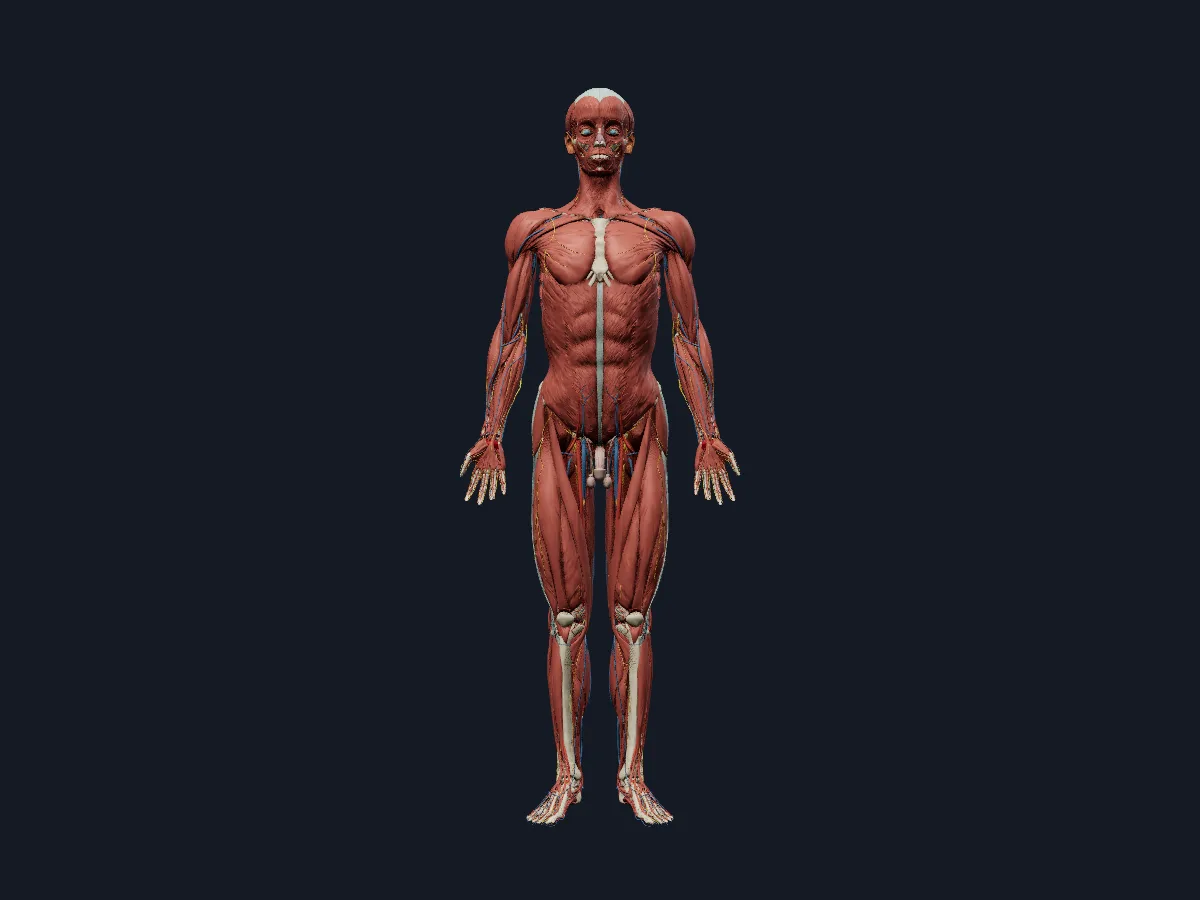
- 2,853 separate 3D parts and 6,600+ named structures
- 15 body systems to show, hide or make see-through
- 81 ready-made views, from the skull to the heart's conduction system
- Free, no account, in English, German, Spanish and Portuguese
Explore the body in 3D
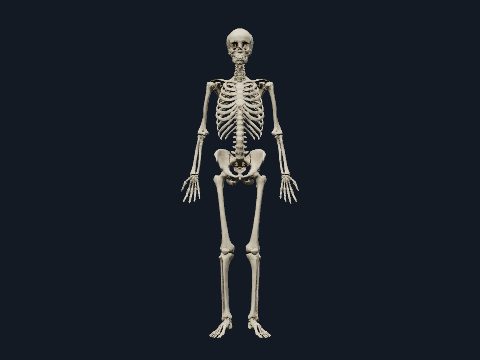
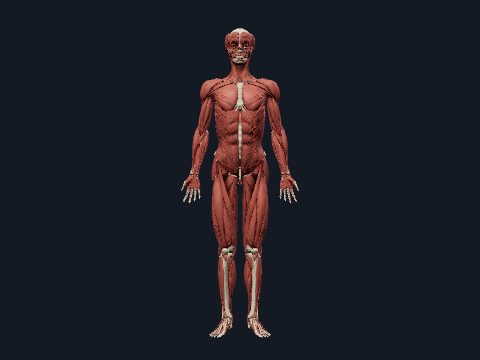
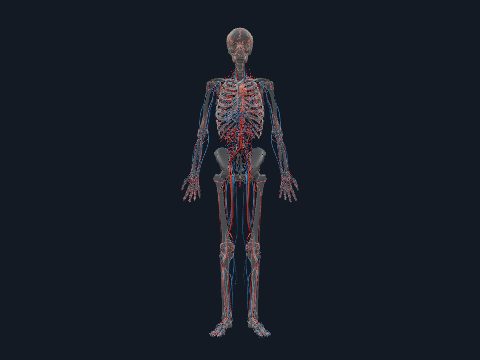
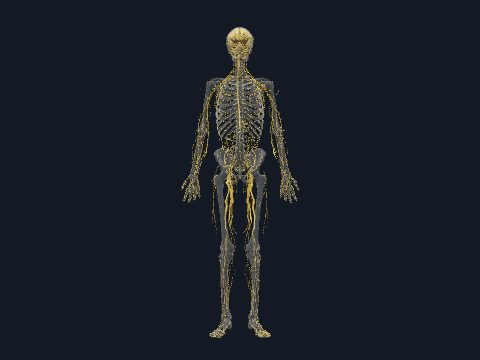
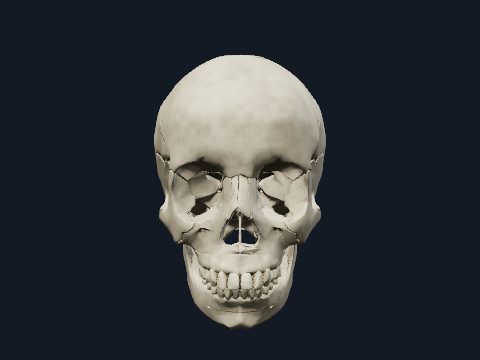
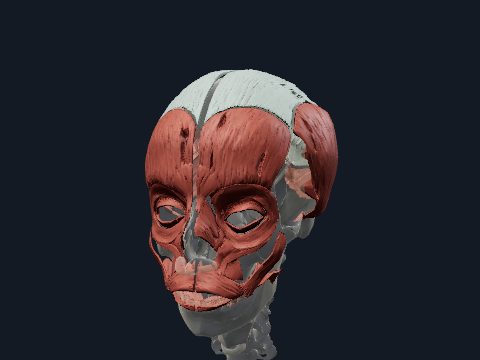
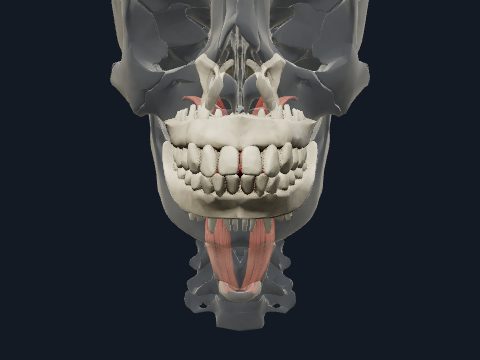
Head and neck
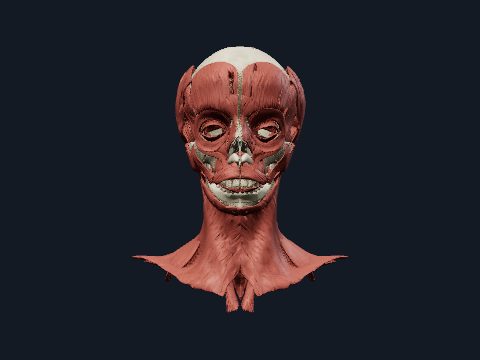
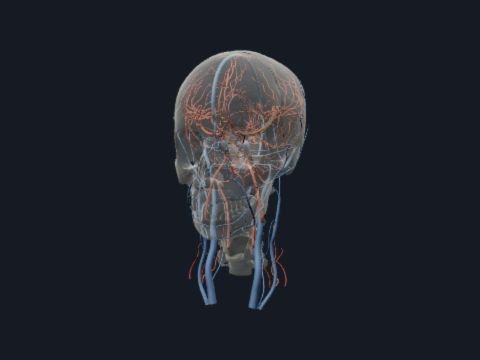
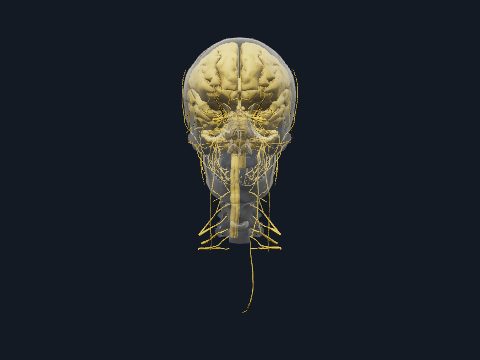
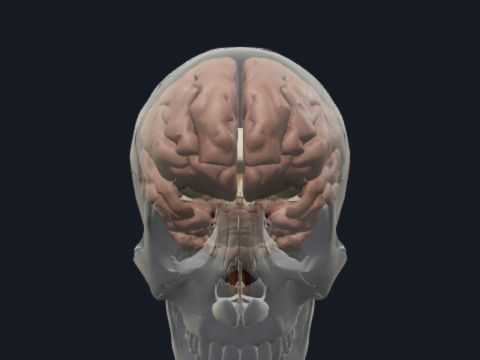
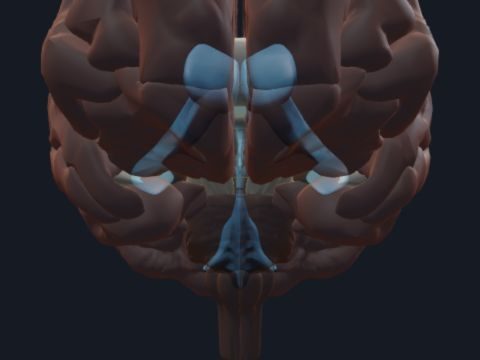
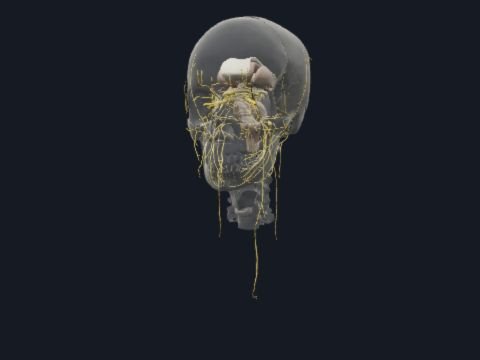
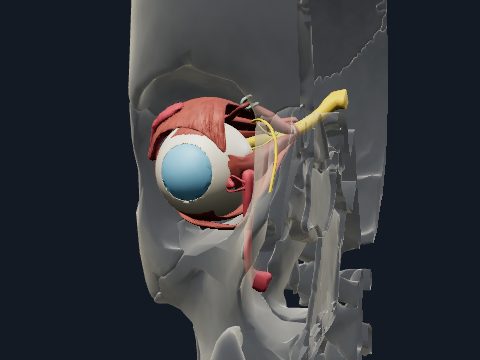
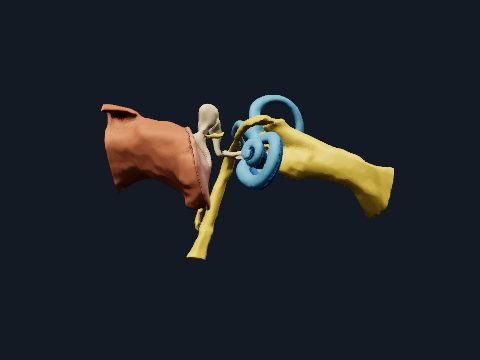
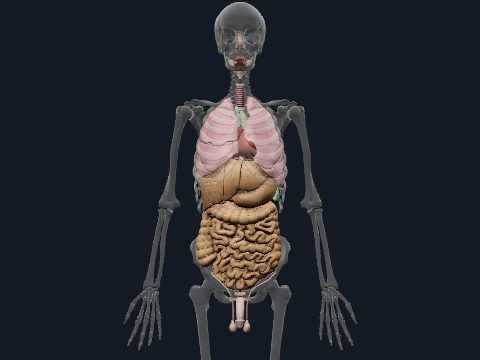
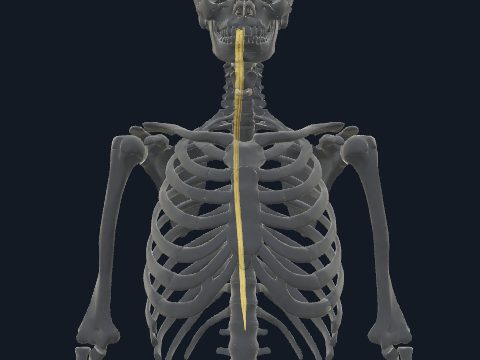
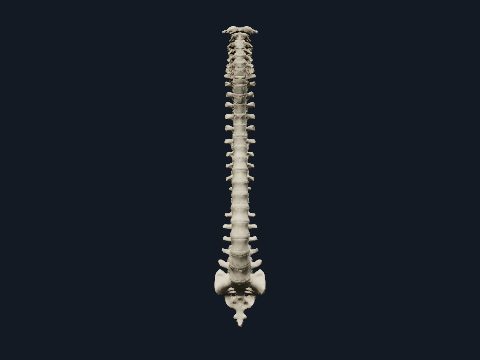
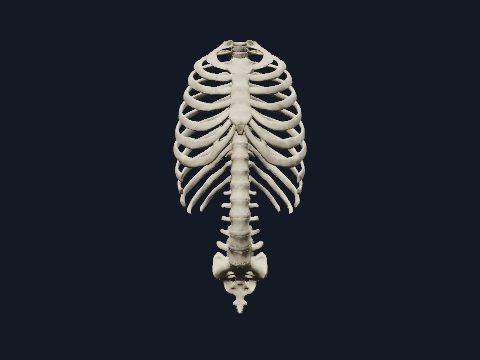
Trunk and organs
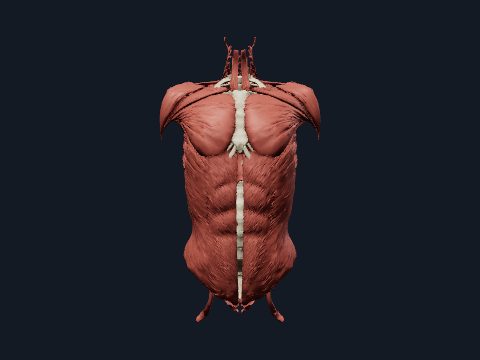
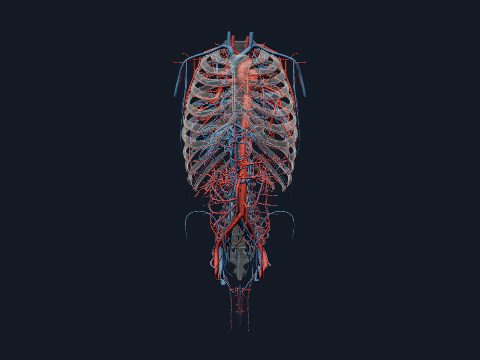
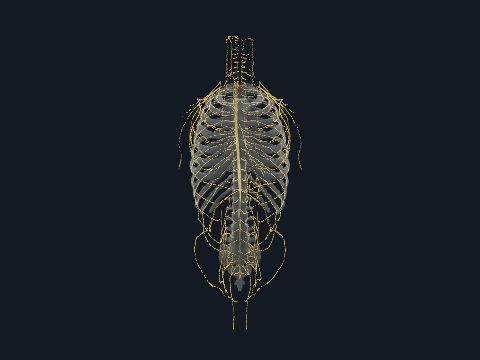
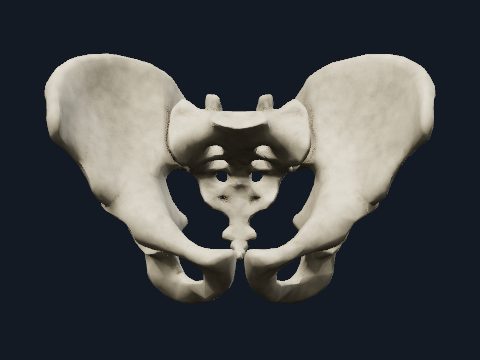
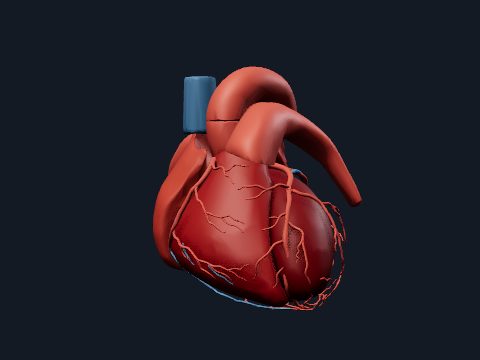
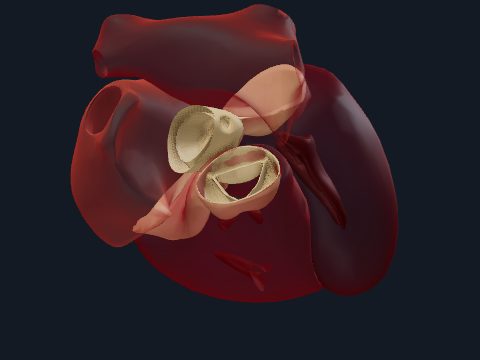
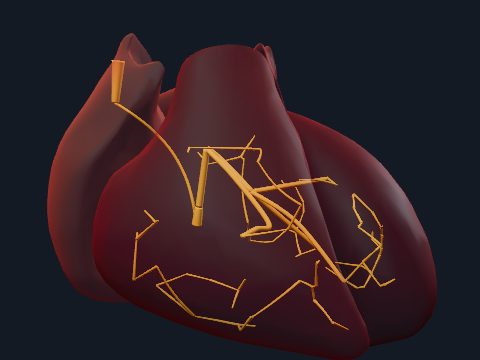
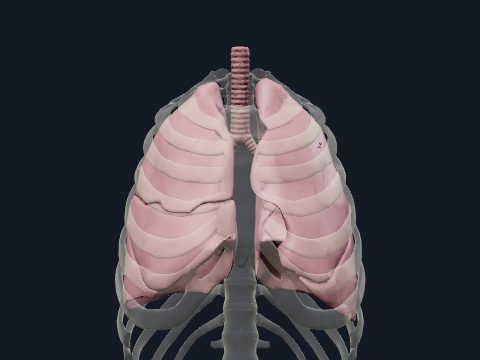
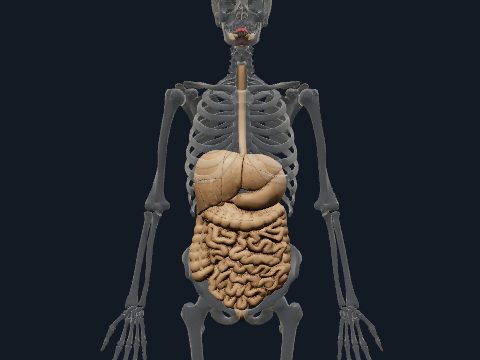
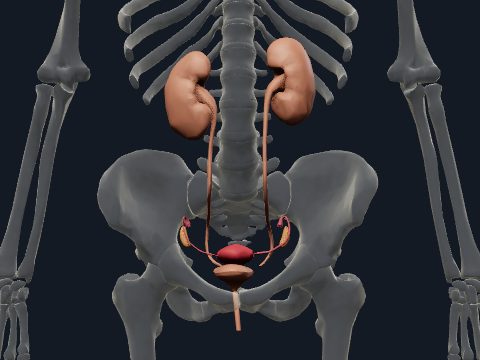
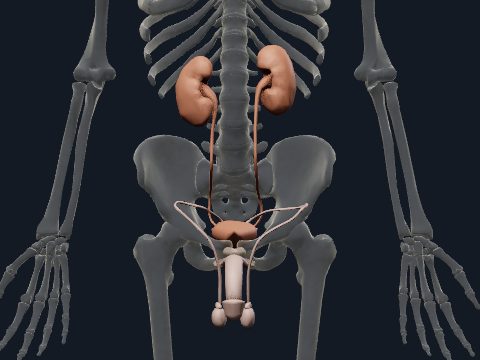
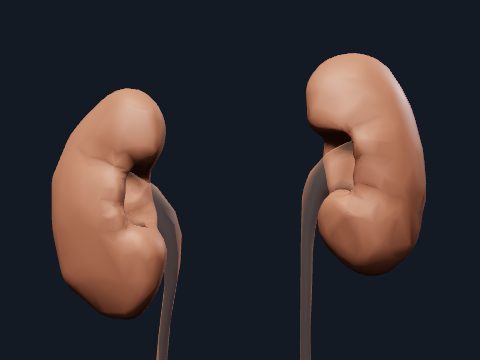
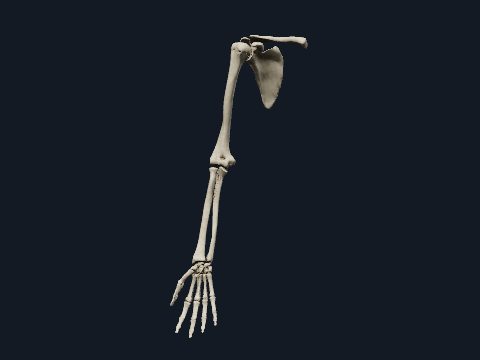
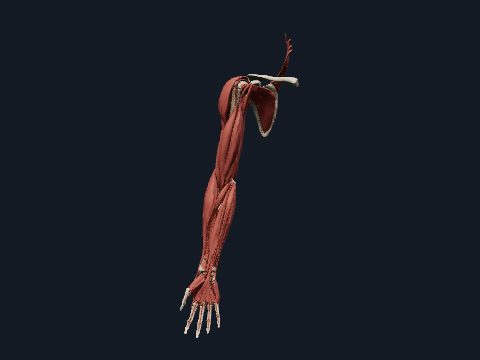
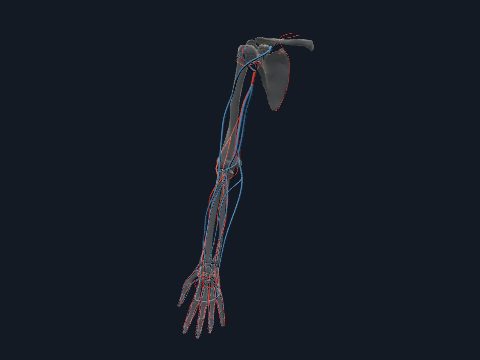
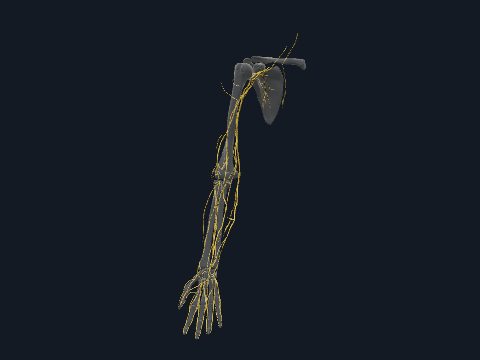
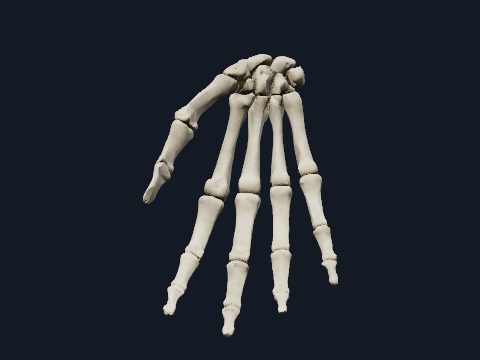
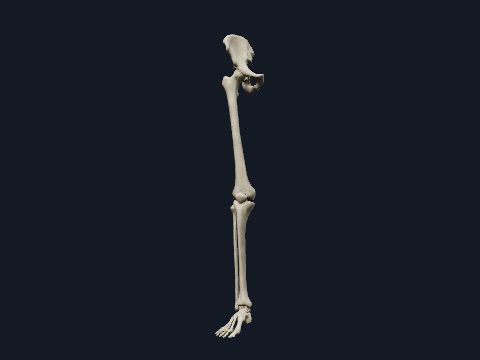
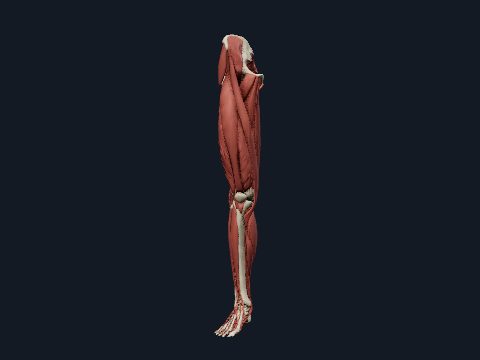
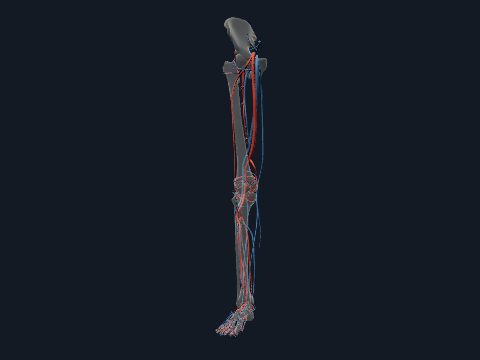
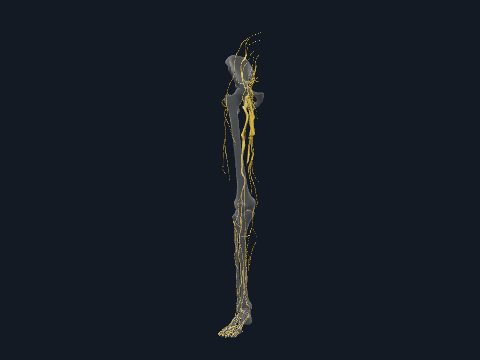
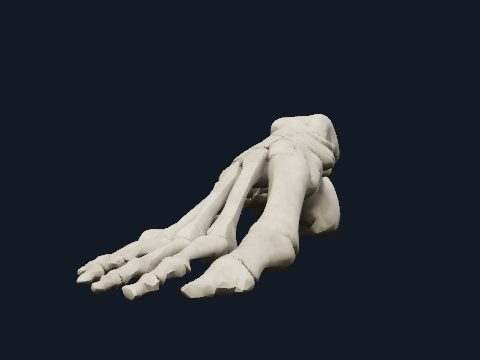
What you can do in the atlas
Turn the body to anterior, posterior, lateral, superior and inferior views, or drag to rotate freely. Switch whole systems on and off, make everything except your selection transparent, or hide what is in the way. Search finds a structure by name in four languages.
The explode slider takes the body apart in two steps: first into its systems side by side, then into every single piece. The section tool cuts the body along frontal, sagittal or transverse planes, and the muscle layer stepper removes the superficial muscles one layer at a time. A female body option swaps in female pelvic anatomy.
Where the anatomy comes from
The main body, bones, vessels and organs come from BodyParts3D, an open research dataset of the Database Center for Life Science. Female pelvic organs and spinal cord segments come from the Human Reference Atlas, the middle and inner ear from OpenEar, peripheral nerves and facial muscles from Z-Anatomy, and the detailed heart from Layered Human. All are published under open licenses that allow reuse with credit.
Who it is for
Students of medicine, nursing, physiotherapy, dentistry and biology use it to see how structures sit in relation to each other, which flat textbook figures cannot show. Teachers use the views for slides: every image comes with its license and sources, so it can be reused with credit.
Questions
Is Cogni Anatomy really free?
Yes. The whole atlas is free, with no account, no trial and no limit on views. It is made by Cogni, a flashcard app; trying Cogni is optional.
Do I need to install anything?
No. It runs in a current browser with WebGL on a computer, tablet or phone. The first visit downloads about 56 MB of compressed 3D models, which your browser then keeps.
Can I use the images in slides or notes?
Yes, with credit. Images are licensed CC BY 4.0 or CC BY-SA 4.0 depending on the source data; every topic page lists the license and sources under its image.
How accurate are the 3D models?
They are built from published anatomical datasets of an adult reference body and simplified for the web. They show typical anatomy for learning, not individual variation, and are not a diagnostic tool.